Peptide Pureness Guide 98%, 99% & Research-grade Explained Prg
Air Conditioning Peptide Testing Labs Third-party Peptide Evaluation
Creative Proteomics is a relied on provider of proteomics analysis services. Many thanks to our exceptional scientists and powerful mass spectrometry platform, we off provides worldwide client with extensive and professional peptide pureness evaluation service by using RP-HPLC. If you have any type of inquiries or certain needs, please feel free to contact us.Absence Of Methodical Information Support For Release Behavior And Kinetics
We can supply specialist peptide purity decision services making use of logical reversed-phase HPLC paired with mass spectrometry. Each peptide is rigorously checked during the analytical cycle according to rigid logical quality control and biosynthetic quality control requirements. HPLC is exceptional at responding to the concern Peptide Works molecular biology peptides "how pure is this sample by chromatographic area percent? " It does not, by itself, show that the primary peak is the designated peptide.- HPLC divides a mixture right into its specific parts based upon how each molecule interacts with a specially made column.
- This overview breaks down what purity in fact implies in peptide chemistry, just how it's gauged, what the pollutants are, and exactly how to read the documents that confirms a peptide is what it asserts to be.
- Mass spectrometry validates molecular identification by inspecting whether the gauged mass matches the expected peptide mass.
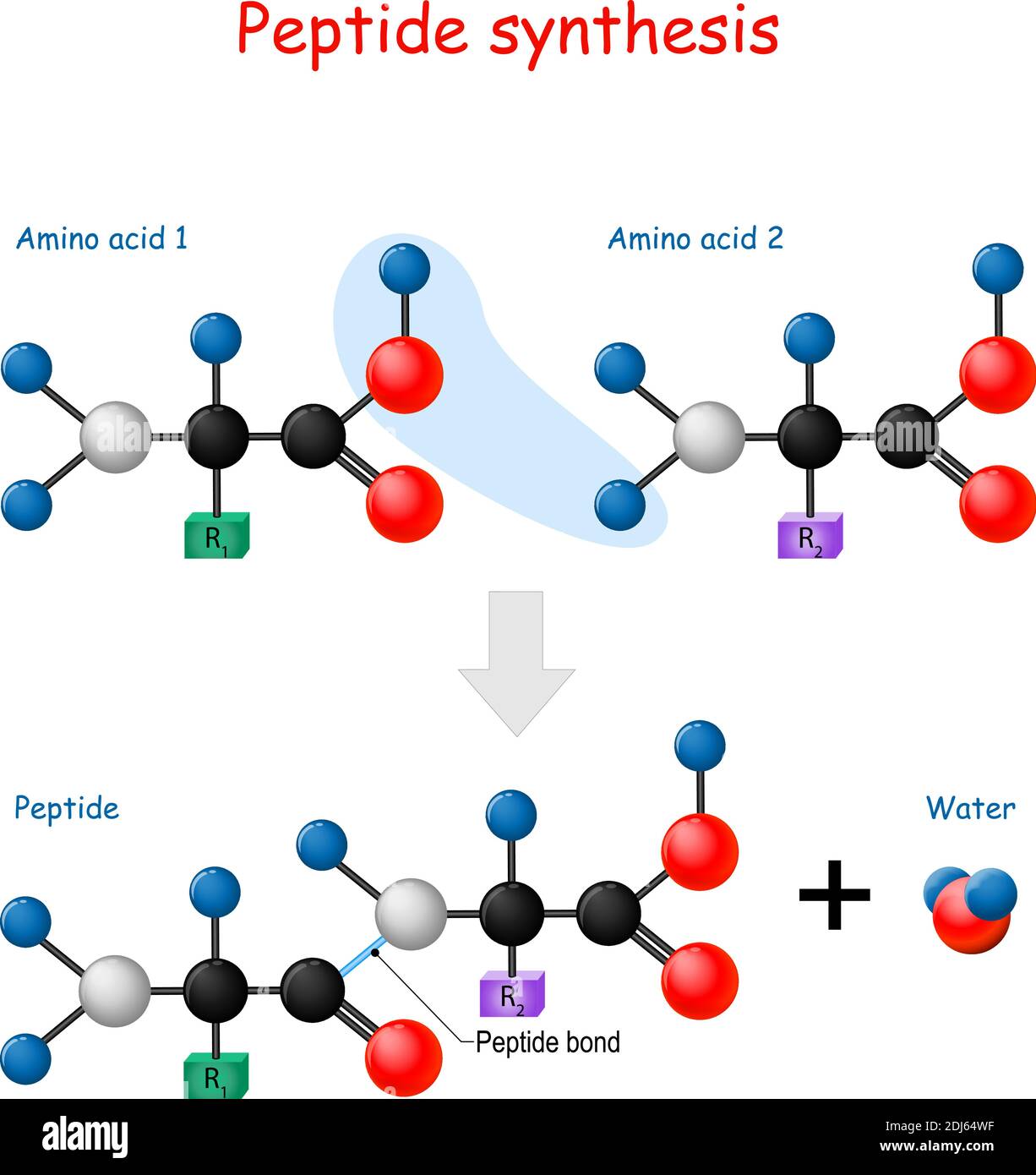
- For instance, a purity of 98% suggests that 98% of the peptide product is the designated product, while the other 2% might be unwanted residues of synthesis (such as incomplete sequences or amino acid removal variations).
Apex Lab Editorial Group
Each peptide has a different expected molecular weight, so mass confirmation is not a generic badge; it is compound-specific evidence. For a much deeper identity-focused description, see Mass Spectrometry Peptide Confirmation. Identification screening validates that what was synthesized is in fact the intended sequence.
Straight from the synthesizer with minimal handling-- generally just cleavage from the resin and precipitation. Pureness varies widely, from 40% to 80%+ depending on sequence length and trouble. Crude peptides are suitable for applications where purity isn't essential, such as antibody production or initial screening assays where the target peptide just needs to be existing, not leading. Very closely connected to truncations, removal peptides are full-length chains that are missing one amino acid somewhere in the middle. If covering isn't perfectly effective, an uncoupled chain can continue to lengthen in subsequent actions, producing a peptide that's only one residue short of the target.