Peptide Purity & Quantitation Testing
Peptide Quality Control & Pureness Screening Boc Scientific Researches
It is an area-percent pureness measurement, not a total identity or activity test. Notably, purity portions define chemical structure only-- they do not indicate sterility or biological viability. Peptides from Maxed Out Compounds are provided specifically for laboratory study usage and are not planned for human or vet functions. Peptide pureness is generally expressed as a percent, such as 95% or 98%. This number stands for just how much of the example is made up of the preferred peptide series. For many laboratory applications, a purity of 95% or greater is taken into consideration research-grade.- Purity varies widely, from 40% to 80%+ depending on sequence size and difficulty.
- HPLC informs you what percentage of your example is the major compound-- however it does not confirm what that major compound actually is.
- Examinations can be carried out making use of high-precision stabilization chambers, simulating various atmospheres, and using global criteria to study short-term and long-lasting security, vital for constant peptide performance.
- As long as you acquire peptides from a trusted resource that provides a complete certification of evaluation, you can be confident in the peptide's purity grade and usage extent.
Peptide Functional Evaluation In Biomedical Research Study
HPLC procedures chromatographic purity by separating the target peptide from relevant impurities and calculating main-peak area percent. Mass spectrometry verifies molecular identity by checking whether the gauged mass matches the anticipated peptide mass. For research-grade peptide credentials, HPLC and LC-MS/ESI-MS answer various concerns and need to read with each other. BOC Sciences Research Material Supply additionally supplies comprehensive in vitro (cell systems) and in vivo (pet systems) screening solutions to aid customers totally comprehend peptide formula performance in various settings. In vitro tests analyze peptide cytotoxicity, cell uptake, anti-inflammatory task, and more, providing basic data support for peptide applications in clinical aesthetics and biomedical areas.
As the portion of natural solvent gradually increases throughout the run, particles are launched from the column in order of their hydrophobicity-- the extra hydrophobic a peptide, the longer it requires to elute (clean off). Since impurities typically vary from the target peptide by at the very least one amino acid, they have a little different hydrophobicities and show up as separate heights on the chromatogram. The key point is not to puzzle pureness (HPLC percentage of the primary peptide vs impurities) with general web content. For experimental preparation (like calculating molar concentrations), both purity and internet web content are useful numbers, however purity is what reflects the chemical homogeneity of the peptide sample.Significantly, this purity number is commonly figured out after filtration (e.g. by HPLC) and concentrates on peptide pollutants-- it does not count residual water, salts, or counter-ions in the dried out peptide powder. Simply put, the pureness portion is about the structure of peptide species in the example, not the weight contribution of water or salts. A peptide might be 98% pure (meaning very couple of peptide pollutants) yet still consist of some water or trifluoroacetate salt; those non-peptide components would be reflected in the net peptide content as opposed to the purity percentage. At Creative Peptides, we offer customized peptide chemical and physical evaluations for study teams that need reliable data on peptide identity, purity, composition, remedy actions, and sample top quality. Our solution supports artificial, changed, cyclic, conjugated, and tough peptide examples with analytical operations developed around the actual job question as opposed to a dealt with default panel.
Our Peptide Chemical & Physical Analysis Solutions
The table listed below web links usual job objectives to useful logical panels and the sort of choices they aid support. Asparagine and glutamine residues can undergo deamidation, altering the peptide's cost and hydrophobicity. Deamidation is one reason storage problems matter, especially after a peptide has actually been reconstituted. Every product we bring is lab-tested and confirmed by third-party partners, so researchers recognize exactly what they're collaborating with. Peptides including methionine or cysteine residues are prone to oxidation. Methionine can be oxidized to methionine sulfoxide; cysteine can develop undesirable disulfide bonds Great post to read or be oxidized to sulfinic or sulfonic acid derivatives.
For teams that need deeper architectural review, the job can additionally be lined up with peptide series evaluation and broader characterization support. Amino acid analysis or various other quantitative approaches can support outright web content. Chiral approaches can address enantiomeric purity where stereochemistry is an issue. Residual-solvent or water-content examinations can matter in manufacturing or stability contexts. 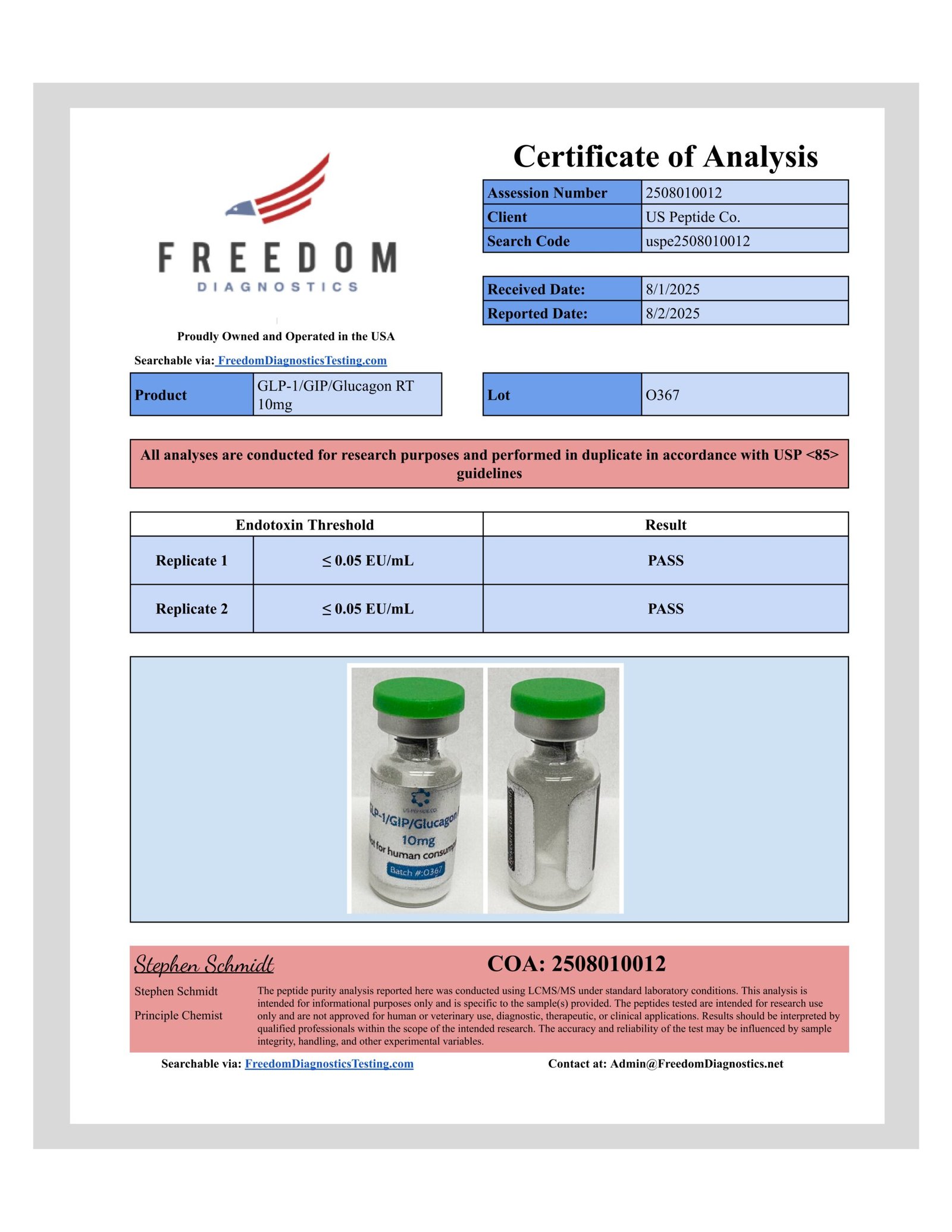
Peptide screening is the collection of analytical checks utilized to review a peptide example before it is utilized in a study workflow. In useful COA review, the term normally refers to purity testing, identification testing, and documentation testimonial. Pureness testing asks just how much of the identified sample is the major peptide versus associated contaminations. Identity screening asks whether the measured mass or sequence-related evidence matches the designated peptide. Documentation testimonial asks whether the record is batch-specific, traceable, and detailed enough to be investigated. Peptide screening is the analytical process utilized to validate that a study peptide is both pure and appropriately identified.

In easy terms, a peptide listed as 95% pure is composed primarily of the target peptide (95%), with the staying ~ 5% composed of contaminations. These pollutants can include things like shortened or trimmed sequences, removal versions, oxidized residues, or various other minor side-products from the synthesis process. Peptides are extensively utilized in the medical looks, cosmetics, and biomedical fields as a result of their distinct biological activity and broad application capacity. Nonetheless, the high quality of peptide products straight influences their performance and safety, making accurate top quality testing solutions critical.