Peptide Storage And Handling
Glp-1 Peptide Reconstitution Storage Protocol Focus may be expensive for the peptide's solubility limitation. If none of these apply, the peptide might be accumulated or harmed, protecting against typical dissolution. Maintaining documents of appearance at storage and gradually assists identify subtle modifications. Adding BSA or other carriers alters the remedy Scientific Equipment Supply make-up and might present variables if research study results rely on pure peptide options. Use carrier proteins when their supporting advantages exceed any compositional concerns. . Hydrophobic peptides, especially those with many non-polar amino acids, might not dissolve well in ordinary water. For these sequences, briefly including a small amount of dilute acetic acid or DMSO can help solubilize the peptide before thinning down with water. Inspect manufacturer suggestions for certain compounds. Research study peptides get here in lyophilized kind permanently reason. Freeze-drying gets rid of water from the peptide option, leaving behind a steady powder that can survive delivery and storage space without the fast deterioration that plagues fluid formulations. For cruises and resorts, mark a private cabinet or lockable instance and store away from direct light. Keep documents (tags, prescriptions) with the set for smooth re-boarding and customizeds discussions. For long days out, wrap vials in a nontransparent sleeve or place them in a dark area. Change tags that reveal wear; a clear tag is crucial for safety and tracking. Prevent solvents on labels and caps; use a dry, clean cloth for regular wipe-downs. Recognizing these degradation pathways enables labs to design storage strategies that minimise instability and protect peptide integrity for logical and experimental applications. MALDI-MS spectra of lower purity (A) and high-purity (B) peptides. The internalstandard was a synthetic peptide (Glu-Fib). Reconstituted peptides are very conscious environmental variables such as temperature level, humidity, and dampness exposure. Reconstitution begins as a solvent is infused right into the peptide vial under sterilized problems. Storage space and handling become much more purposeful when taken into consideration together with delivery, documents, openness, and pureness requirements. When storing peptides at space temperature, treatment should be taken to prevent the impact of humidity and light, and try to use them momentarily or resume low-temperature storage space immediately. For long-lasting storage space, the best method is to save it at a temperature of -20 ° C or lower. Some peptides can be incorporated securely, while others have stability or compatibility problems when mixed. Lots of scientists prefer maintaining peptides in separate vials and combining only in the syringe promptly before usage, which prevents any kind of long-term compatibility worries. Some peptides can be blended in the same syringe for administration.
What counteracts peptides?
Salicylic acid''s exfoliating activity might undercut the peptides, diminishing their skin-repairing advantages. Referral: To avoid any type of interaction, usage salicylic acid and peptide products at different times. For instance, incorporate salicylic acid in your early morning routine and peptides in your night regimen.
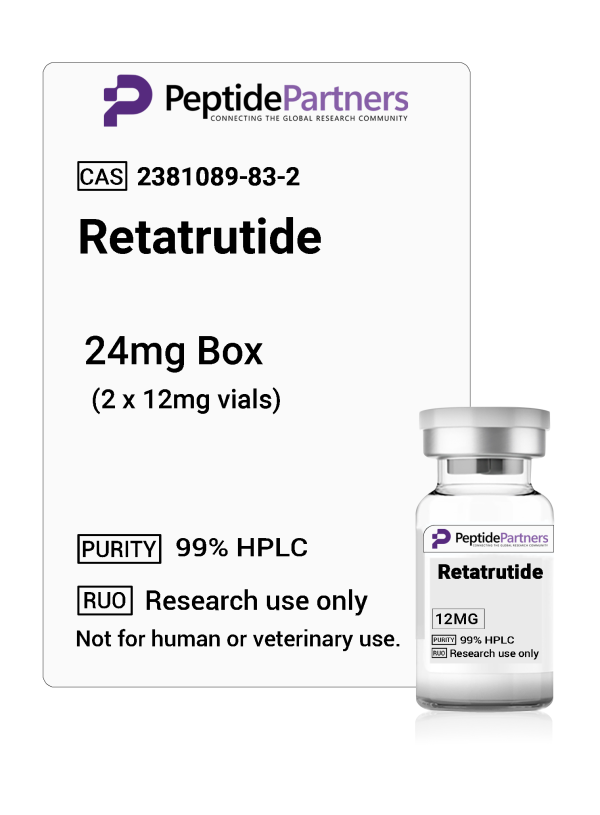
Reconstituted Peptide Remedies
Recognizing these amounts matters for determining your dosing methods. If your study procedure calls for 250mcg doses, that solitary vial gives 20 doses before exhaustion. The math seems simple, but getting it incorrect wastes cash and compromises research study credibility. Peptide vials been available in standardized quantities that reflect common study needs. You'll come across vials having 1mg, 2mg, 5mg, 10mg, or 15mg most frequently. Some substances, particularly those made use of at higher dosages, come in 25mg or perhaps 50mg presentations.Temperature Control: Cold Isn't Always Enough
- Several researchers like keeping peptides in different vials and combining only in the syringe quickly prior to use, which prevents any long-lasting compatibility worries.
- Amino acid evaluation of the high pureness and lower pureness peptide wasperformed to compare the amino acid material.
- Just under severe warm (45 ° C )did destruction speed up, especially when dampness was higher.
- Whether you're examining mobile pathways or developing new study protocols, understanding peptide security is critical for regular, reliable results.
- The shelf life of lyophilized peptides can vary from a few weeks to a number of years, depending on the storage space conditions and the attributes of the peptide.
